In the Footsteps of Saint Nilus
A sincere invitation to the journey
The Cammino di San Nilo is a path that crosses Cilento like a thin thread: it unites sea and mountain, silent villages and places full of memories, wild nature and daily gestures. It’s not just a route of over 100 km from Sapri to Palinuro, but a way to look at the landscape — and perhaps even oneself — with new eyes.
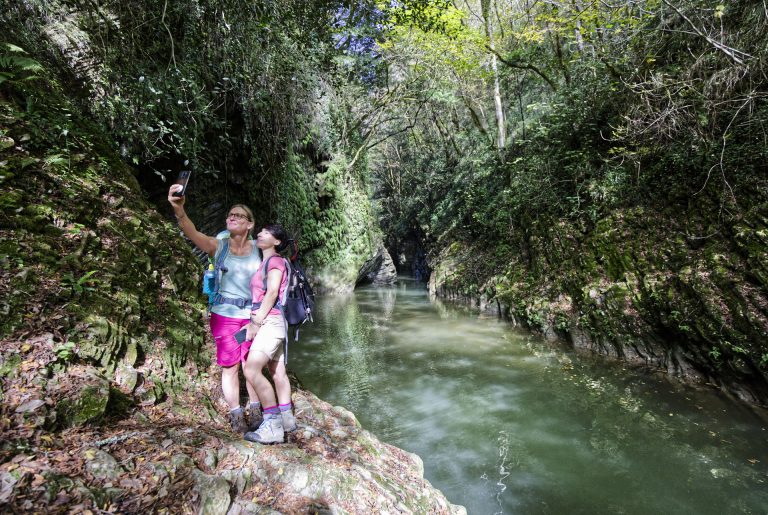
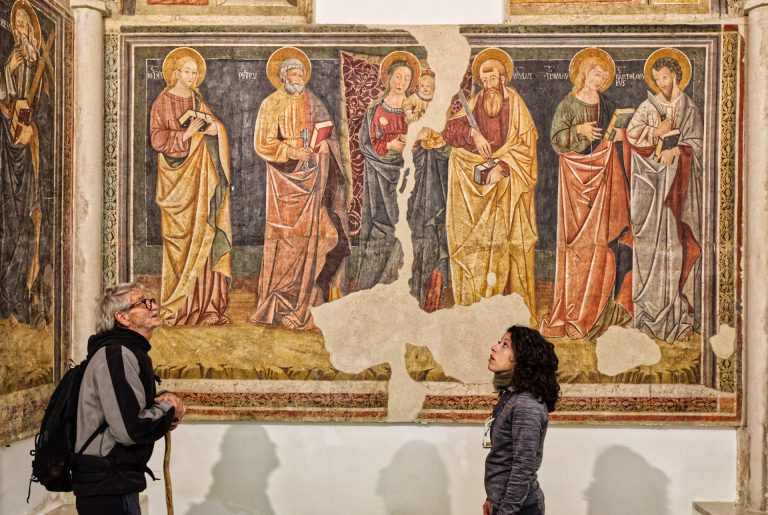
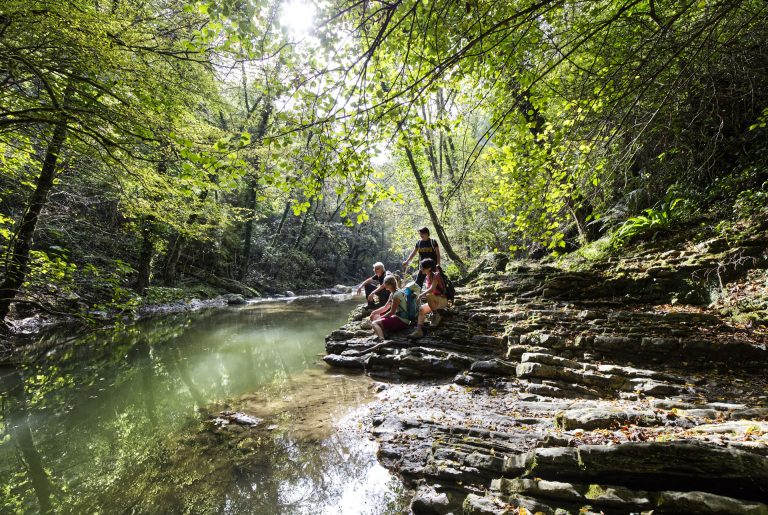
Following in the footsteps of Saint Nilus, a Byzantine monk born in Rossano in the 10th century, one crosses 13 authentic villages, millennial hermitages, shepherds’ trails, ancient mule tracks and places suspended between East and West. Each stage is different, like every day of the journey: you pass through the Bussento Caves, the Venus Hair, Mount Gelbison, but also through silent squares, fountains, voices, and welcoming eyes.
It’s a journey between nature and spirituality, but without impositions: everyone can find their own rhythm, their own time. You sleep in small villages, talk with the inhabitants, taste the bread, the oil, the stories.
Here the beauty is genuine: sometimes rough, sometimes luminous, never artificial. Recognized by “UNESCO as a World Heritage site”, this land can deeply touch those who cross it with slow steps and an open heart.
You don’t need to be an expert or a saint: just the desire to set off.
The Cammino di San Nilo doesn’t ask you to arrive, but to walk.
To embark on a journey. Truly.
The Cammino di San Nilo gave us incredible emotions. Each stage was a journey through time and nature: from shady woods to timeless villages, to the deep blue sea of Palinuro. We loved the serenity of the hermitages, the charm of the Bussento Caves, and the warm welcome of local communities. Every encounter along the way enriched us, and savoring the dishes of the Mediterranean diet energized our days.
Fernanda and Adriano
Stage 1
Sapri - Torraca
Where the sea ends and the journey begins
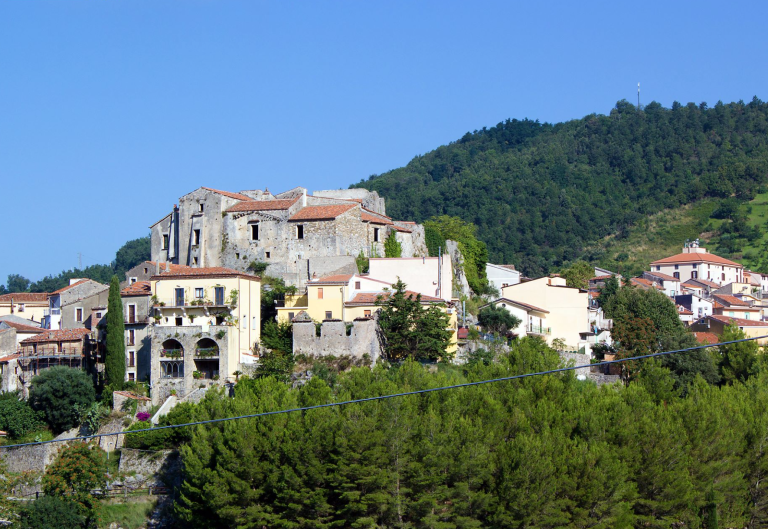
The first step along the Cammino di San Nilo is a slow ascent from the coast towards the “interior. From the luminous bay of Sapri, the path climbs among olive trees and silence, leaving the sea behind to embrace the mountain. Torraca welcomes you up high, discreet and compact, like a first landing of the” soul. It’s here that you truly begin to walk.
Stage 2
Torraca - Casaletto Spartano
Towards the flowing water
The second stage leaves Torraca to venture into a rugged landscape, made of climbs, stones, and light. Among woods, valleys, and tiny hamlets, one begins to savor the wild heart of Cilento. The destination is Casaletto Spartano, with the song of the Bussentino river and “the enchantment of the Venus Hair waterfalls guiding” the last stretch.
Stage 3
Casaletto Spartano - Tortorella - Morigerati
A short journey, a deep immersion
From the green heart of Cilento, the journey continues between silent climbs and descents carved by water. You cross villages frozen in time, shady woods, and paths carved into the rock. Morigerati is reached this way, following the call of the river and the slow pace of those who know how to listen.
Stage 4
Morigerati - Caselle in Pittari
In the silence of the climb, the breath of the earth
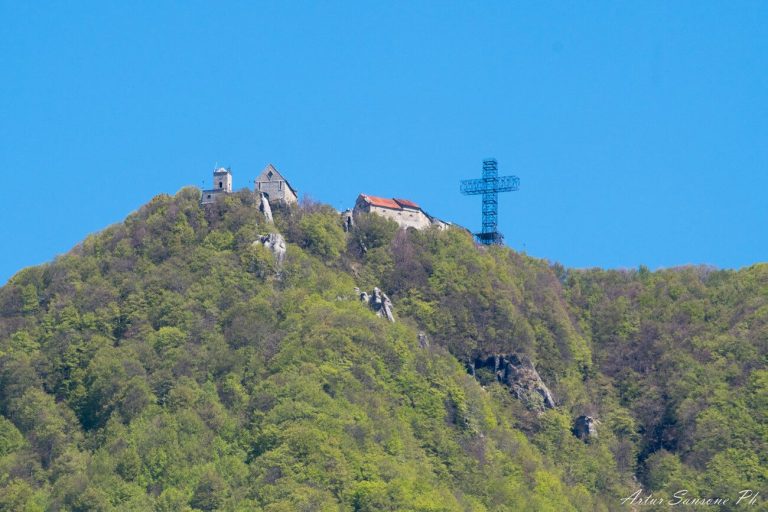
From the deep green of the valley, you climb towards sunny ridges and villages that tell of faith and memory. The hermitage of San Michele watches over the mountain, Caselle welcomes with its rural and creative soul. A stage that demands attention and gives depth in return.
Stage 5
Caselle in Pittari - Rofrano
Forest, stone, breaths
The climb is long and silent. You enter the forest and walk under branches and wind, between clearings and ancient paths. “The altitude changes the light, the” air, and thoughts. Rofrano arrives like a resting point, but also as a new beginning.
Stage 6
Rofrano - Laurito - Montano Antilia
Where the step catches its breath
The journey becomes lighter, among rivers, hidden hamlets, and chestnut groves. Steps lengthen, the landscape opens up. Montano Antilia waits up high, discreet and clear, like a pause that regenerates.
Stage 7
Montano Antilia - Futani - Cuccaro Vetere - San Nazario
A silent threshold
The path crosses through small villages, rural trails, and ancient memories. The ascent is gentle, the pace becomes slower. You arrive at San Nazario, where Saint Nilus was welcomed and tonsured: a suspended place that invites contemplation and prepares for the arrival.
Stage 8
The light that closes the circle
You start from the heights, descending towards the sea. The last stage is a liberation, a return to vastness. The coast reveals itself little by little, until reaching the promontory of Palinuro. Not an end, but an opening. Like every true journey.
To those who depart,
to those who seek,
to those who return:
have a good journey.
Useful Information
The journey begins here
How to prepare, what to bring, when to leave. Here you’ll find everything that might be useful to you before setting out on your journey.
How to Arrive by Car
The Path begins in Sapri, reachable via the A2 motorway (exit Padula-Buonabitacolo) and then continuing on SS517 and SS18. Palinuro, the end point, is connected by SS562.
Regional buses connect Sapri with other Campanian cities. From Palinuro, local lines serve the main centers of Cilento. Check schedules on regional transport websites.
Sapri has a railway station on the Naples-Reggio Calabria line, with frequent connections. For Palinuro, you can get off at Centola station and continue by bus.
The nearest airports are Naples Capodichino (about 180 km) and Salerno Costa D'Amalfi (about 130 km). Both offer connections with trains and buses to Sapri.
During summer, ferries and hydrofoils connect Palinuro and Sapri with Salerno and Naples through the Cilento maritime transport service.
Along the way
You’ll discover welcoming villages, oases where you can stop, stories that endure. The Cammino di San Nilo is not just nature and beauty, but also humanity.